
December 2025
Capulliyoc, Chiquiska, Marampata, Choquequirao, Maizal, Yannama, Vitcos
Eline had been lobbying for a visit to Peru for a long time. Each time however I persuaded her to visit some place in the Himalaya instead. Now at last the time was there!
She opted to go to the Choquequirao and Huayhuash trek, combining two major classic treks in Peru. One exploring the cultural heritage of the Inca and one the beauty of the snow capped Andes.
The Choquequirao trek visits the likewise called Choquequirao Inca ruins. An impressive old Inca city, sometimes referred to as Machu Pichu’s sister city. Choquequirao is located on a steep cliff and only reachable on foot. It is an impressive and steep hike to get out there. It is only about 32 kilometers one way, but due to the challenging terrain it does take two full days of hiking. Due to the elevation differences this short trek somehow manages to get you through jungles, desserts, villages and over a major river to an ancient ruin you are likely to have all for yourself.
The trek seems to have really developed over the last year and a lot of picturesque cabin accommodation and restaurants have popped up along the trail. Maybe in the peak season (July and August) this can make the trek feel a bit too touristy, but in the down season (December to February) it, at least for us personally, enhanced the experience.
I would not be me of course if I would not try to spice up the route a bit. You can make a nice circuit hike to Choquequirao, but it is also possible to continue on from Choquiquirao to Yannama and Vitcos (and even onto Esperitu pampa) providing a more long distance experience along some of Peru’s best preserved Inca sights. The trek beyond Choquequirao is still very mucy a camping trek with a refill option at Yannama.
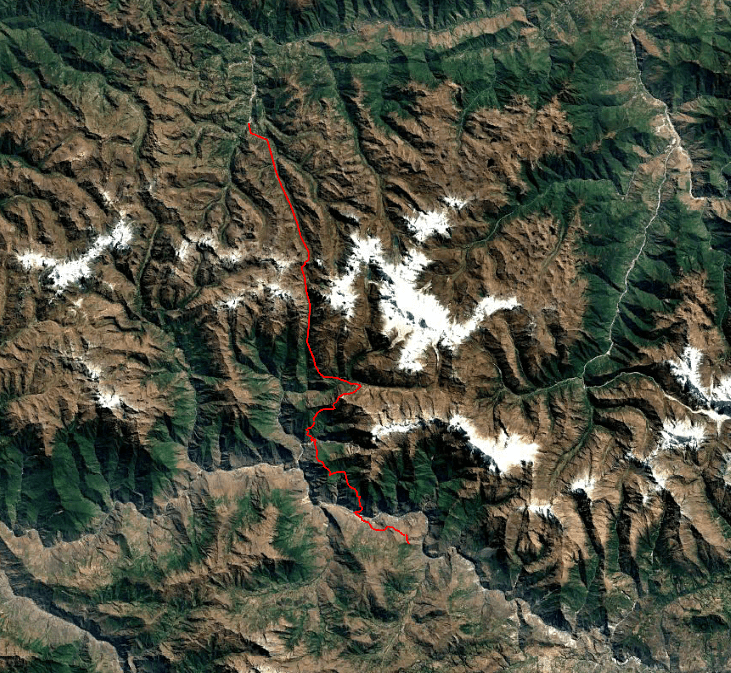
Season
The best season for this trek is the dry season from may to September, but we experienced December to be a perfect month. We did have some rain during the nights and some more cloudy moments, but overall the sun was up, the views were great and the trails fine. The only problem we encountered was that the accommodation in Maizal was closed down for the season forcing us to camp and cook ourselves.
Day 1
We had opted to go to the start of the trek immediately from the airport in Cusco. A touring company offering private transport picked us up and still a bit drowsy due to the time difference we got on our way to the town Cachora, the gateway to Choquequirao.
The way there made us feel optimistic. The sun was out and we had nice views over the Andes, including the Salkantey. There was little that suggested it to be the rainy season. Our driver explained to us, that the rains used to be worse during this time of year, but that due to the changing climate the rainy season had become considerably less rainy in the recent decade.
The road was sealed and in excellent condition and the going was quick. Nonetheless it was quite a distance to cover and the driver had taken his wife with him so that they could be sure to have their Christmas dinner together.
To reach Cachora we had te leave the main road and follow a winding dirt track. From Cachora it was only a few kilometers more to Capulliyoc over a quickly deteriorating road.
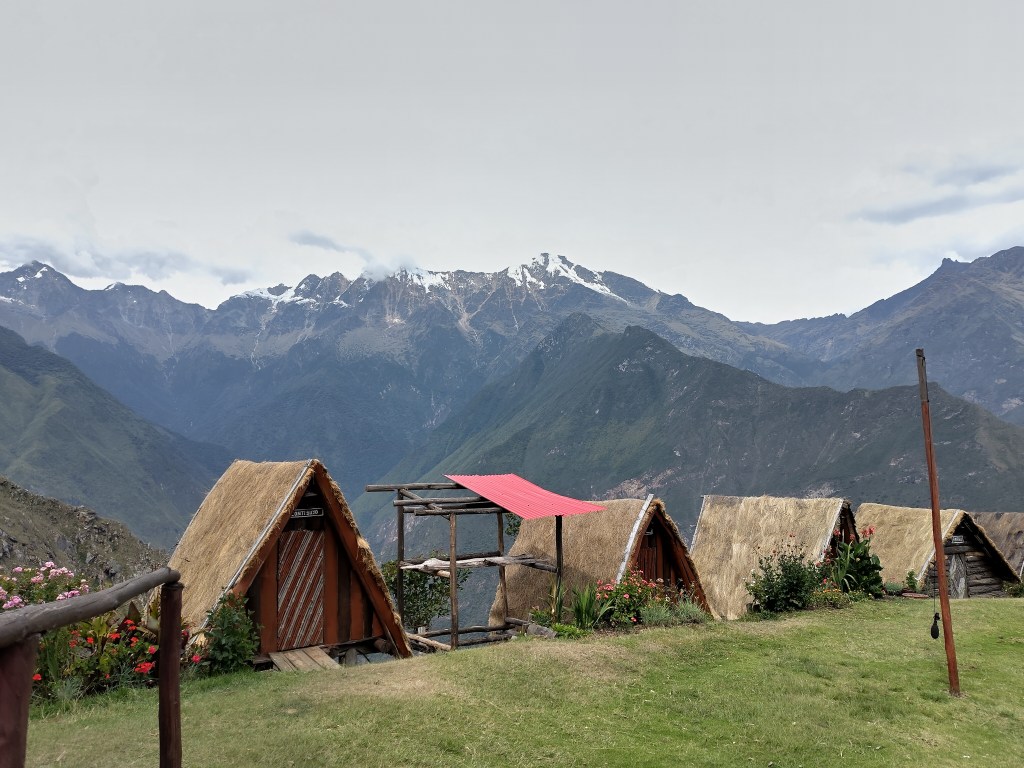
Capulliyoc felt like a small paradise. Located right on the edge of a cliff it overlooked the valley and the snow capped mountains on the other side. Capulliyoc had some amazing cabins and we decided that it would just be a waste to continue hiking the same day and not to spent the rest of the day here (and more importantly a night in a cute cabin).
Day 2
It was a misty morning. We wondered whether the current weather or the weather of the previous day would be more representative of what to expect in this season. We had a nice breakfast in the dining room and got on our way.
The broad trail winded along the steep valley side every now and then making a steep descend. We had to climb down a total of 1500m to reach the river way below us. It was easy hiking and we got to enjoy many plants and butterflies that were unfamiliar to us. The biodiversity along the trail is rather striking, there is dessert like stretches with cactus as well as grass plains, cozy pastures and jungle.
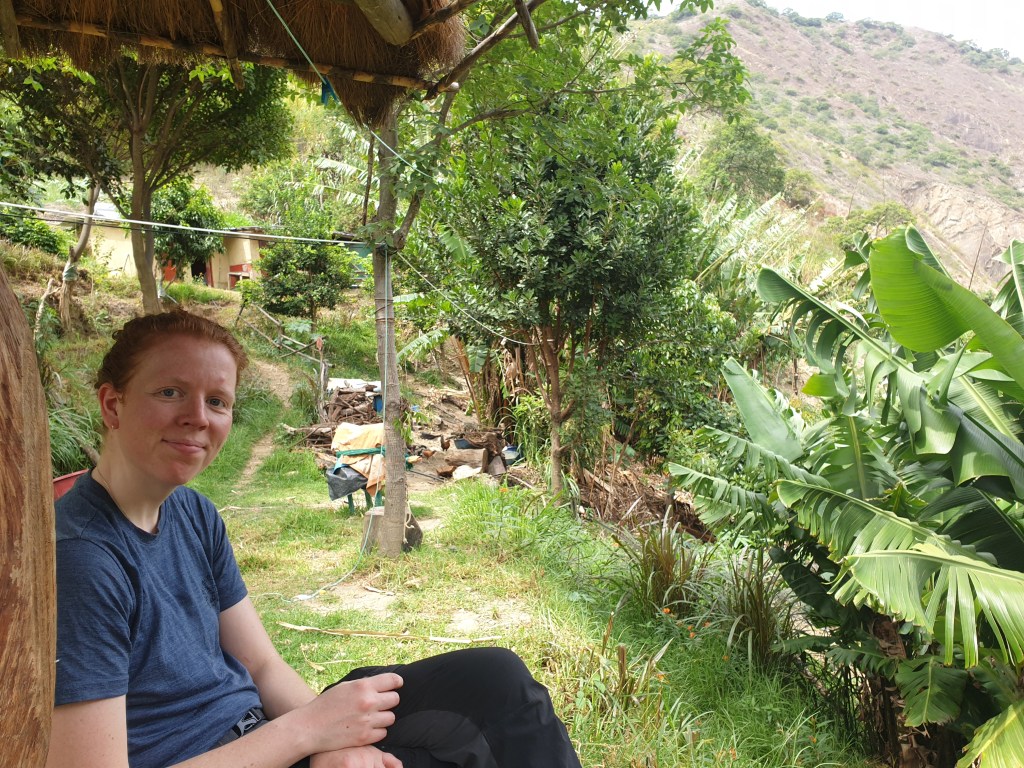
When we were getting close to the valley floor we arrived in Chiquiska. A very nice small village with ample of hotels. We decided that it would be a shame not to make a stop here and had some lunch. Had it not only been 3 hours since Capuliyoc we would have stayed here overnight.
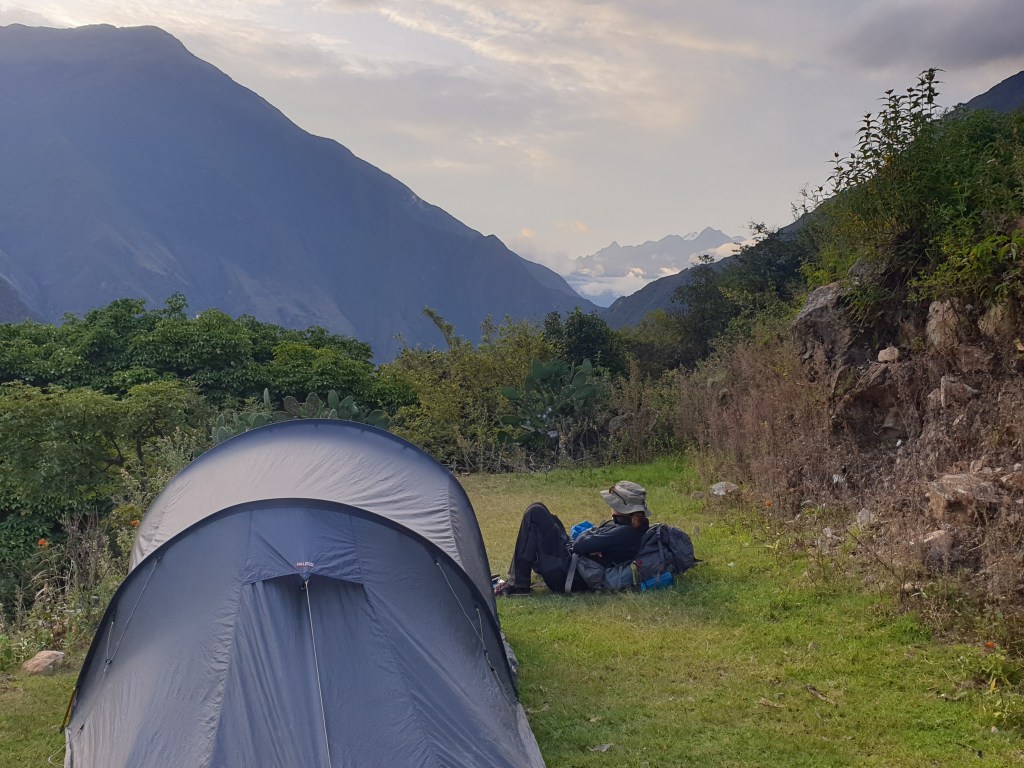
After Chiquiska it was a short way down to the river. There were some buildings near the bridge but the place was deserted. It was now noon, the hottest time of the day. All the way down in the valley in between the rocks the heat was rather extreme. As we climbed up we had to take multiple small breaks to cool off a bit. It was about 900m up to reach Santa Rosa, a small farmhouse where we could camp and get a meal.
Day 3
It was another 1100m up to Marampata the last village before Choquequirao. It was not far, just straight up. The climbing early in the morning was much better than in the afternoon heat.
We made it to Marampata swfitly. Our plan was to only have lunch in Marampata and camp at the ruins. Marampata was however such a picturesque place that we almost changed our minds. There were many hotels with good views over the surroundings and many grass patches ideal for a picknick.
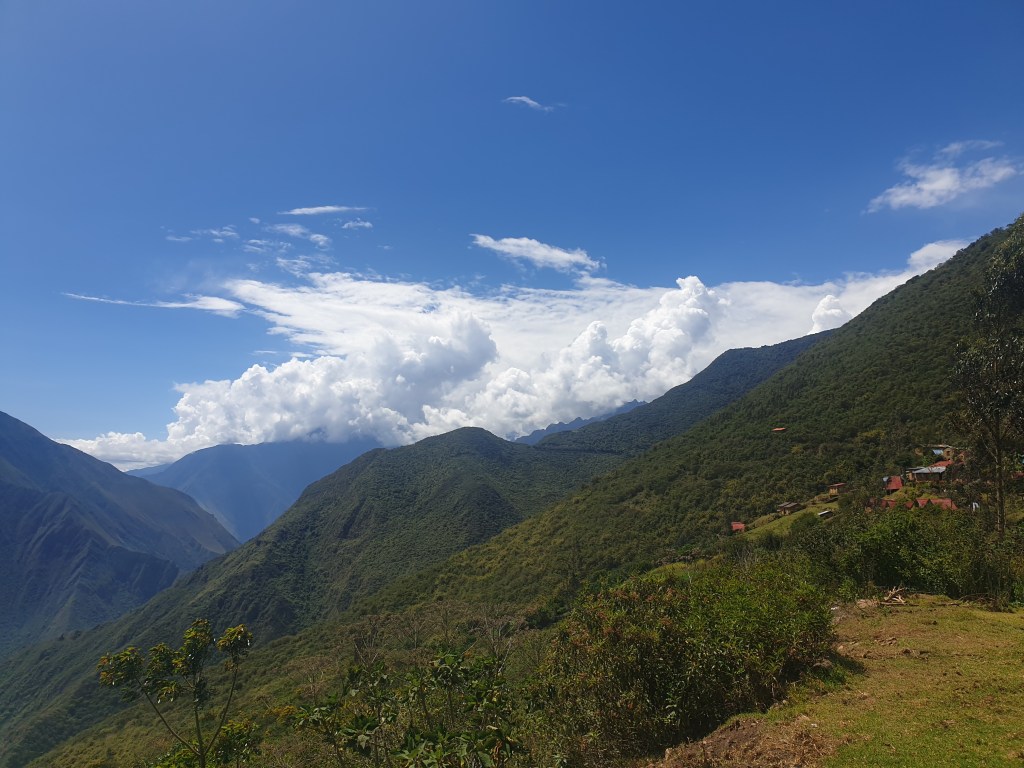
We got our regular rice with chicken lunch and informed about the way ahead. The Choquequirao ruins were really close, we could easily see them on the ridge about 2 or 3 kilomters further. But what lay beyond the ruins though remained well out of sight. The hotel owner informed us that due to it being down season we could not count on staying in Maizal. The owners could be there but might just as well have gone to Yannama. We therefore bought ourselves some additional food to last us all the way to Yannama about 3 days away.
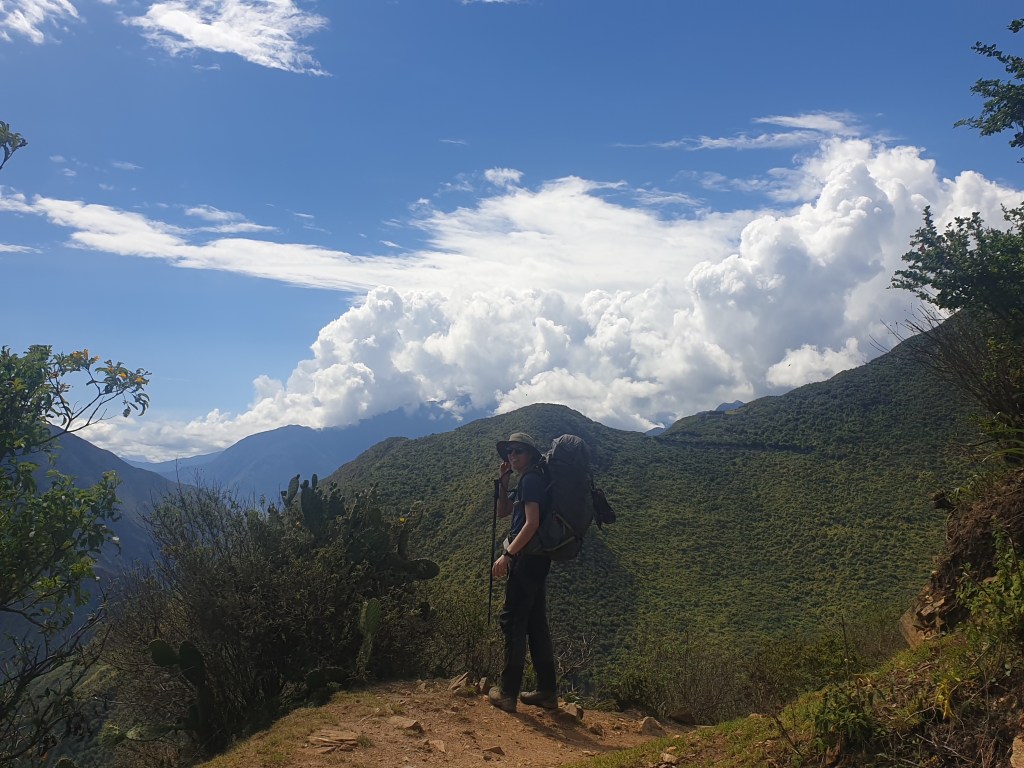
After lunch we hiked the remainder to the ruins itself. It was an amazing experience to enter the ruins and explore the surroundings. The complex is quite large and you can easily spent a couple of hours there to see all the major sights. We set up camp in the bathhouse ruins, The biggest landmark within the city.
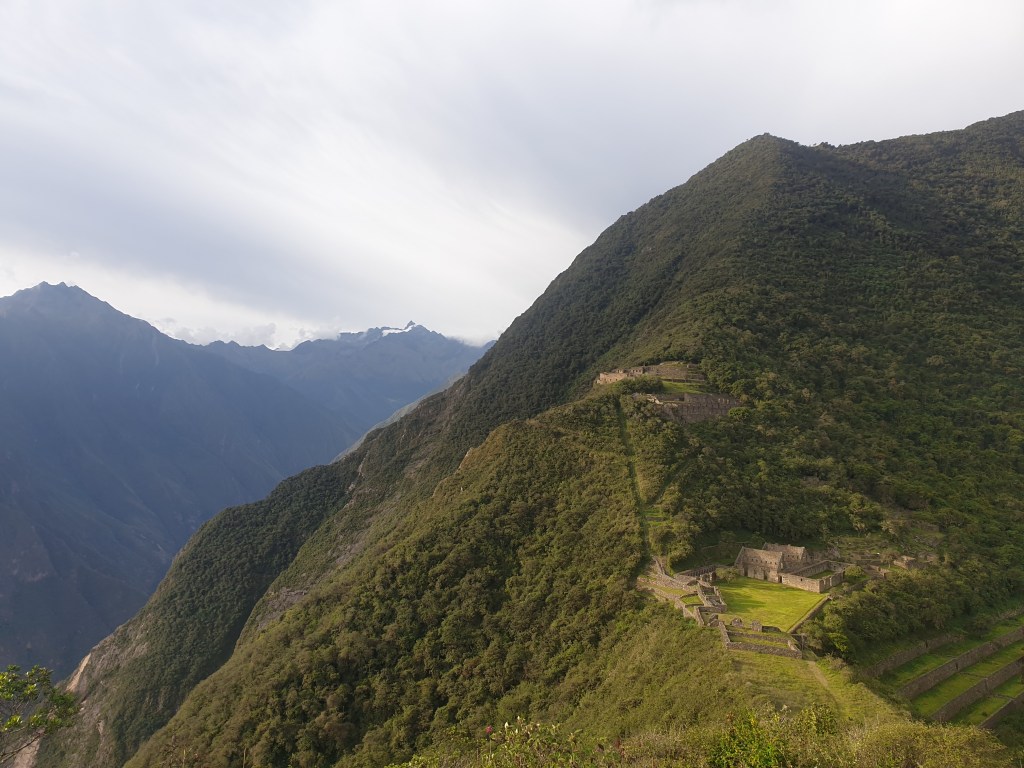
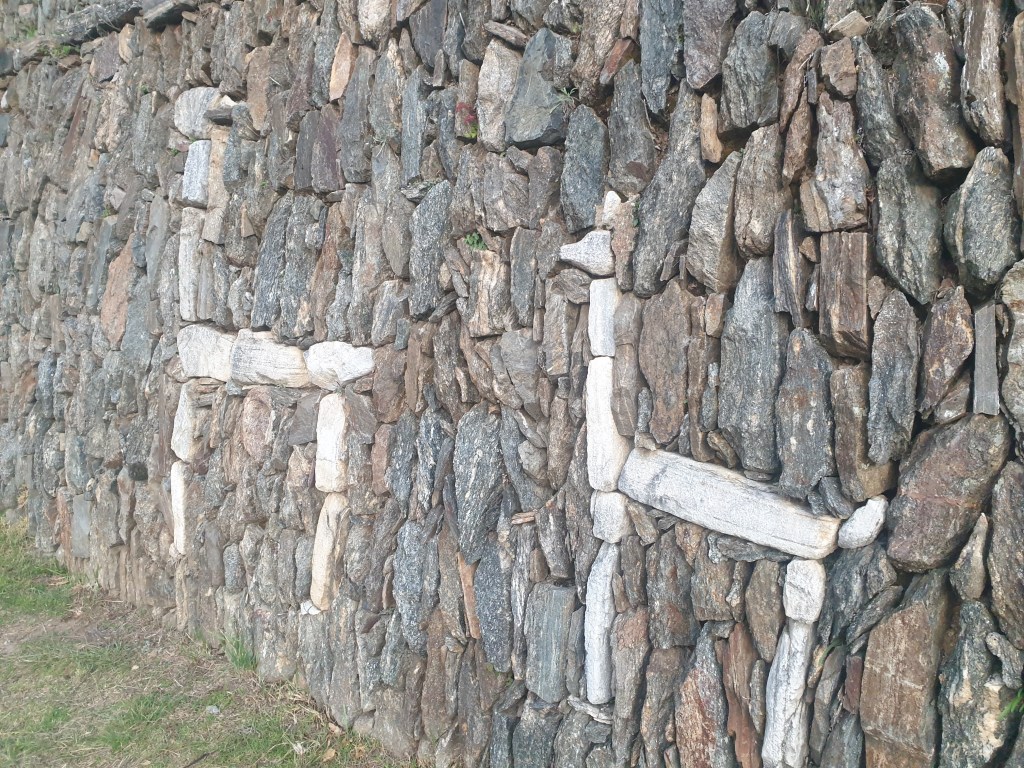
As the sun was setting we hiked down the the Lama section. A section in which the Inca had created Lamas in the terraces. It was probably my favorite sight within the ruin complex. It was a lot further down than I had thought and we only just made it back before sunset.
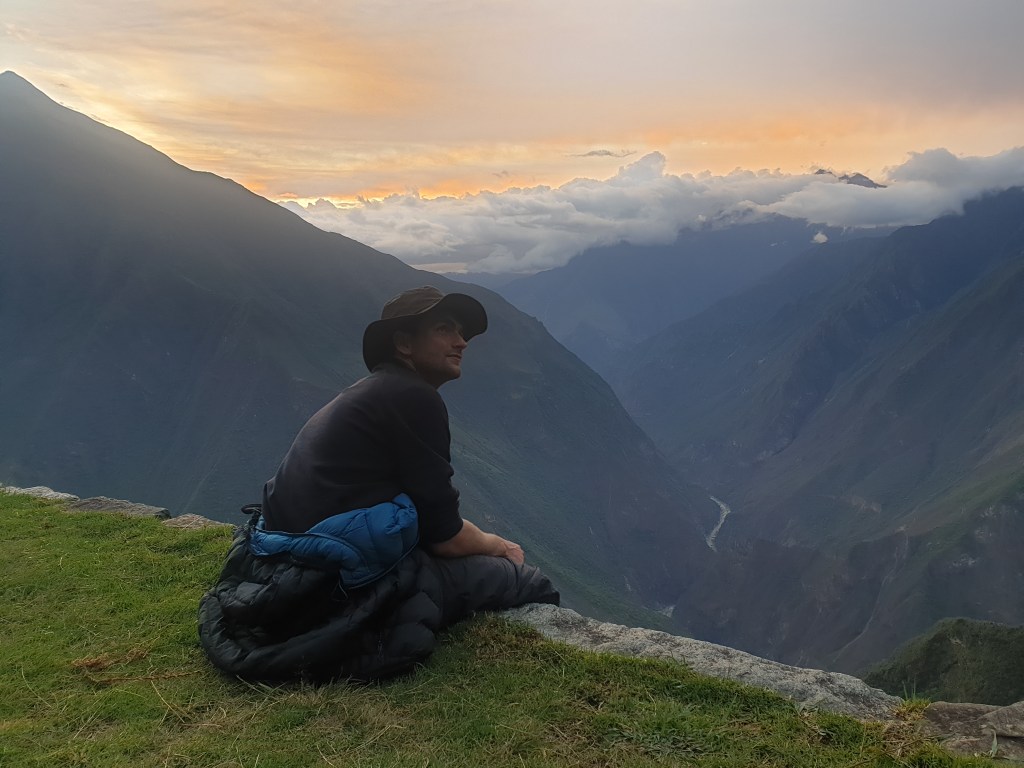
Day 4
Today would be a very long day and we rose early at 4am, just before the first light. The plan was to get some water (our water was running empty and there was none to be found in the ruins). The waterfall was however a lot further away that I had remembered and we found ourselves almost back in Marampata… For a day that already promised to be very long this was not a great start.
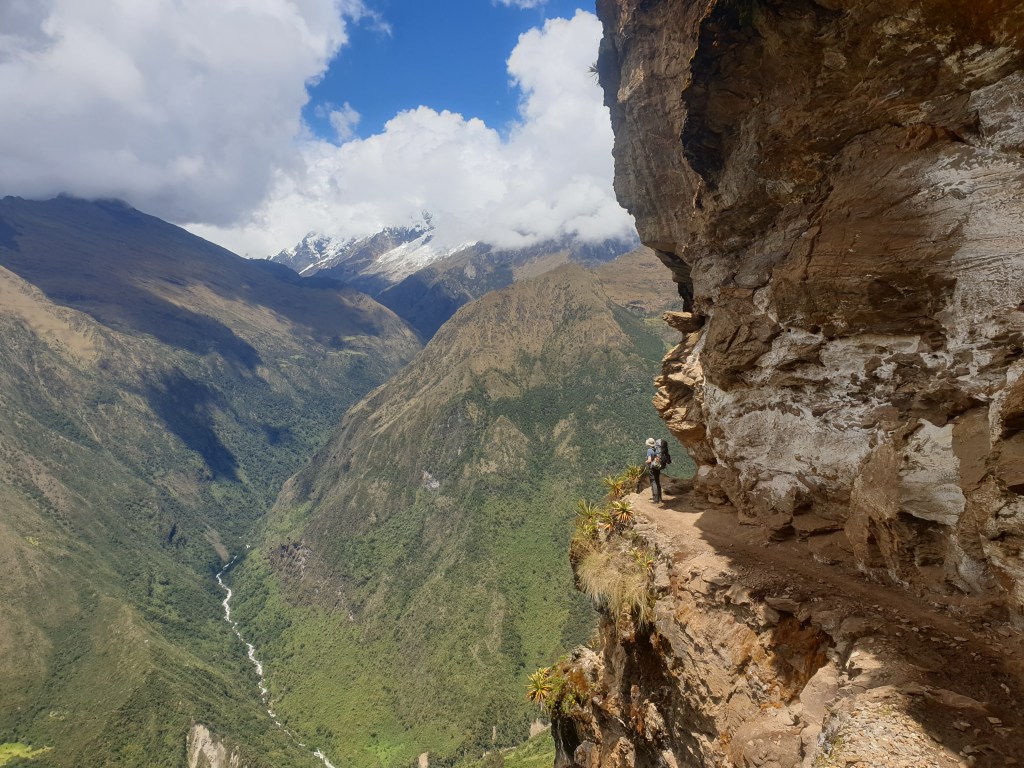
After this escapade things were getting better. We hiked up around 250 meters through the jungle to bypass the steep valley cliff right after the ruins. Once up the trail kept altitude for a while traversing the valley side. This was a rather spectacular section in which you could look straight down to the river over 1700m below us.
As we continued we rounded the hillside and we could see the west face of the mountain range. We could already see Maizal on the other side. It was not far, but between us and Maizal lay an enormous valley. We would need to descend around 1500m and than ascend 1200m again… From Maizal it woudl then be another 900m before we could make the descend to Yannama. Nothing around Choquiequirao is far away, it’s just that the ups and downs are absolutely relentless.
As we started our descend we came at a cross road. I had not expected this, there should only be one way. The signage seemed to indicate that a new trail was being built, a trail that would keep altitude better and reach Maizal following the mountain side. Since it said that the trail would be completed this year we did not dear to try it out and went for the classic trail leading all the way down to the river way below us.
One of the biggest advantages of the classic route is that is passes the Pinchauniyoc ruins. A rather underrated and remote Inca ruin. Finding these large ruins in the middle of the jungle along these remote trails is truly an amazing experience that I think you can really only find here in Peru in the Cusco region.
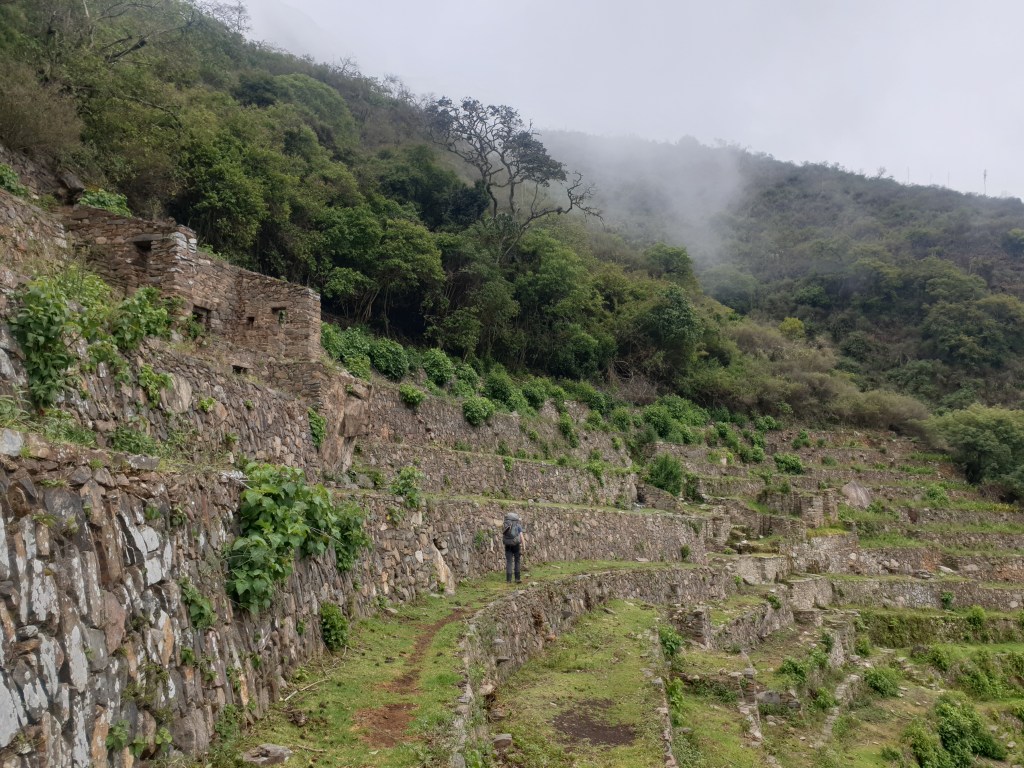
It was a long way down all the way to the river, as we reached there it was already noon, the weather had cleared and it was getting hot again. There was no bridge but the water level was low enough to wade through. We were already feeling a bit tired and still had another 1000m up to go…
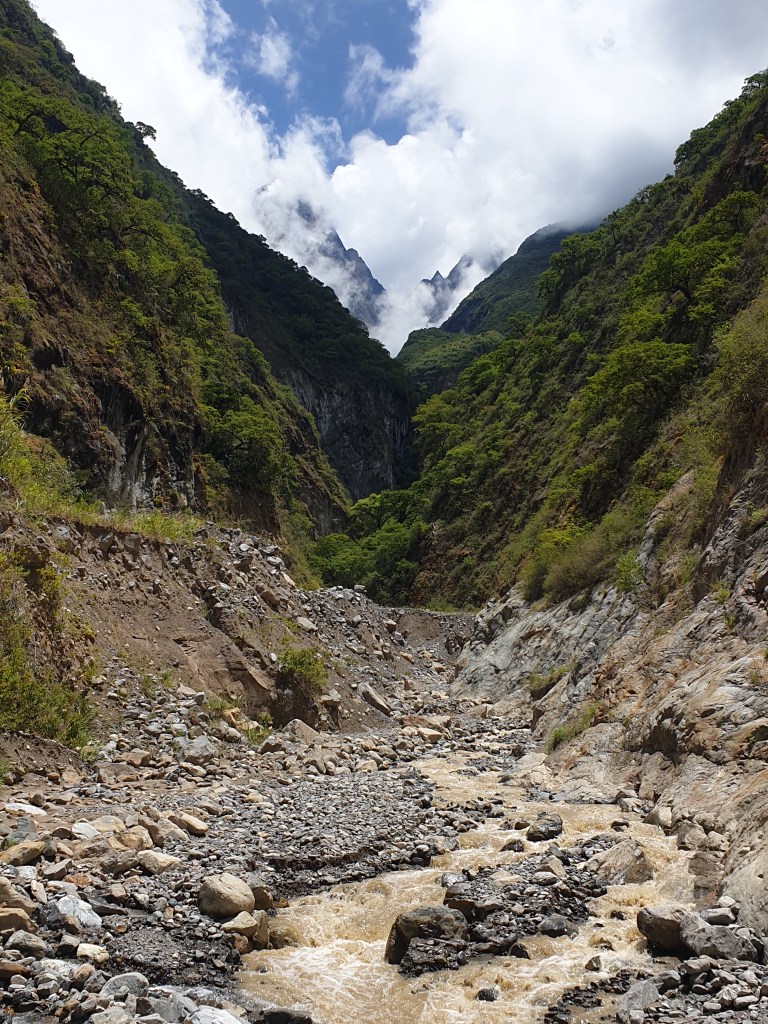
The climb never seemed to end, but around 5pm we reached Maizal. There was indeed no one there, which was quite a disappointment. After this long day a nice coke and some cooked food would have been really nice to have… I scouted the surrounding and found some left over fuel, potatoes and corn that we cooked to supplement our biscuit diet.
Day 5
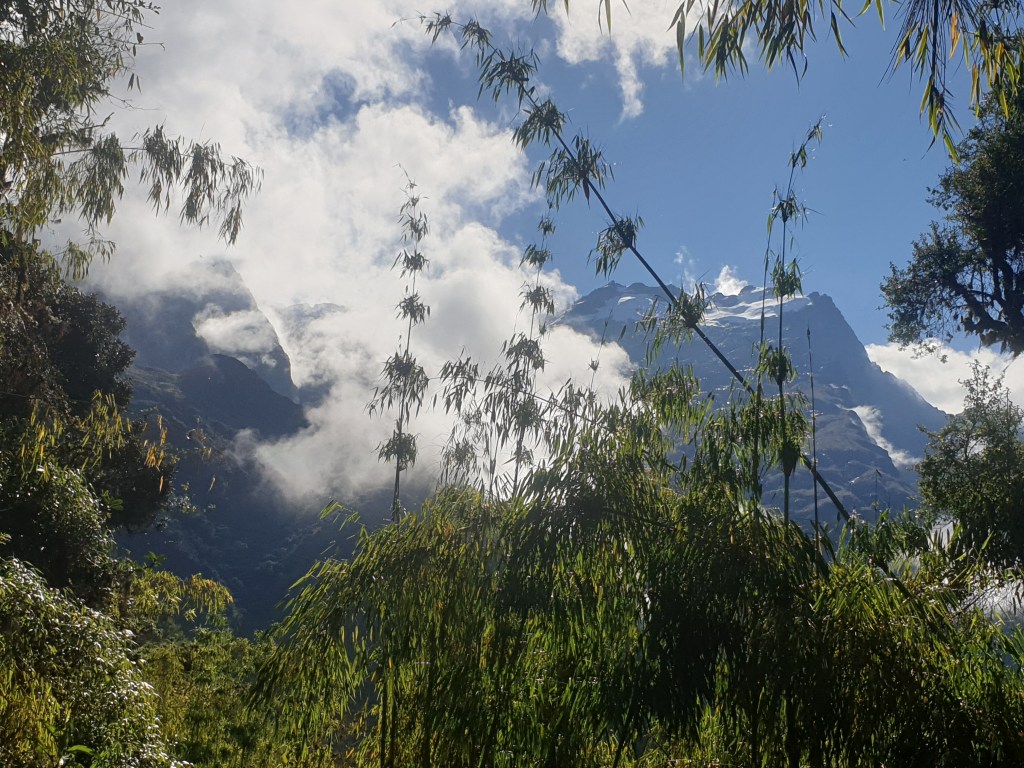
We woke up in thick mist. Yesterdays view was completely obscured. On the upside it might mean we would not need to climb up in the hot sun. It was only a short way to the pass along the extremely steep slopes. As we climbed up the weather cleared again and on the pass we could see the high high mountains towards the north behind which lay Vitcos our final destination only one more high pass away.
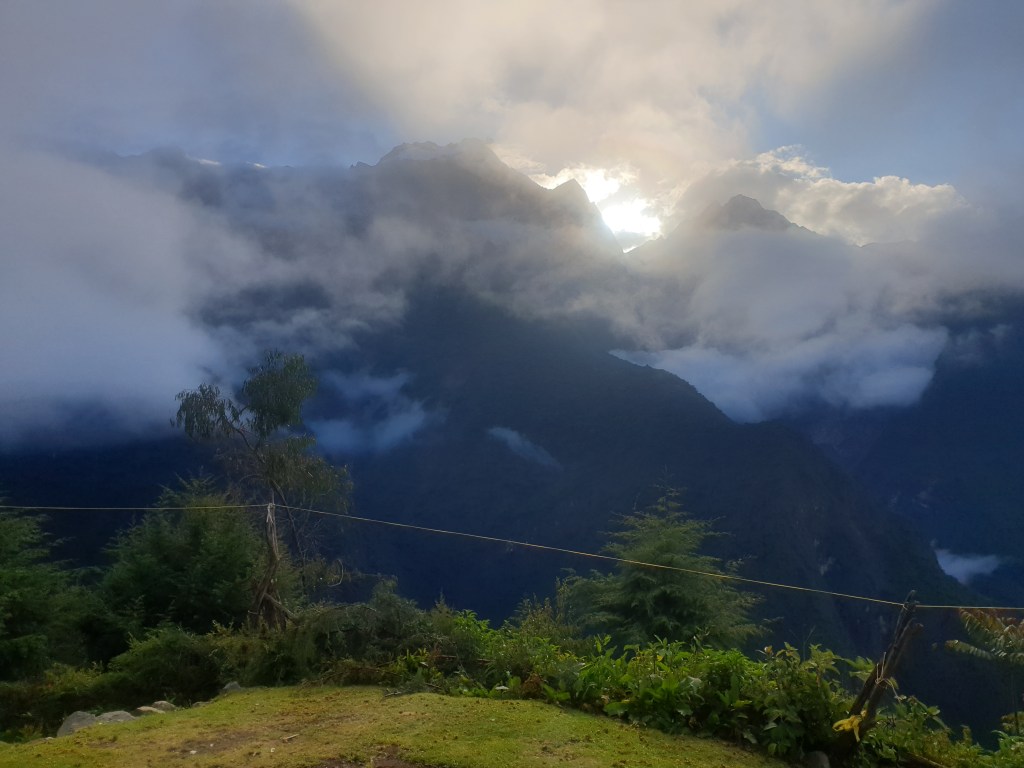
As we descended Yannama came quickly in sight. Only 300 meter below us we could see the long stretched village below us. I was pretty happy we spotted the first people below us as we would really need some cooked food at this point.
Once down we quickly found a family hotel for us to stay and take a well deserved rest.
Day 6
This would be our last full day on trek. The plan was to get close to the pass to cross it the next day. It would be a short day and we took our time before we depart. We ended up leaving at 10, very late by our standards of leaving at 5.
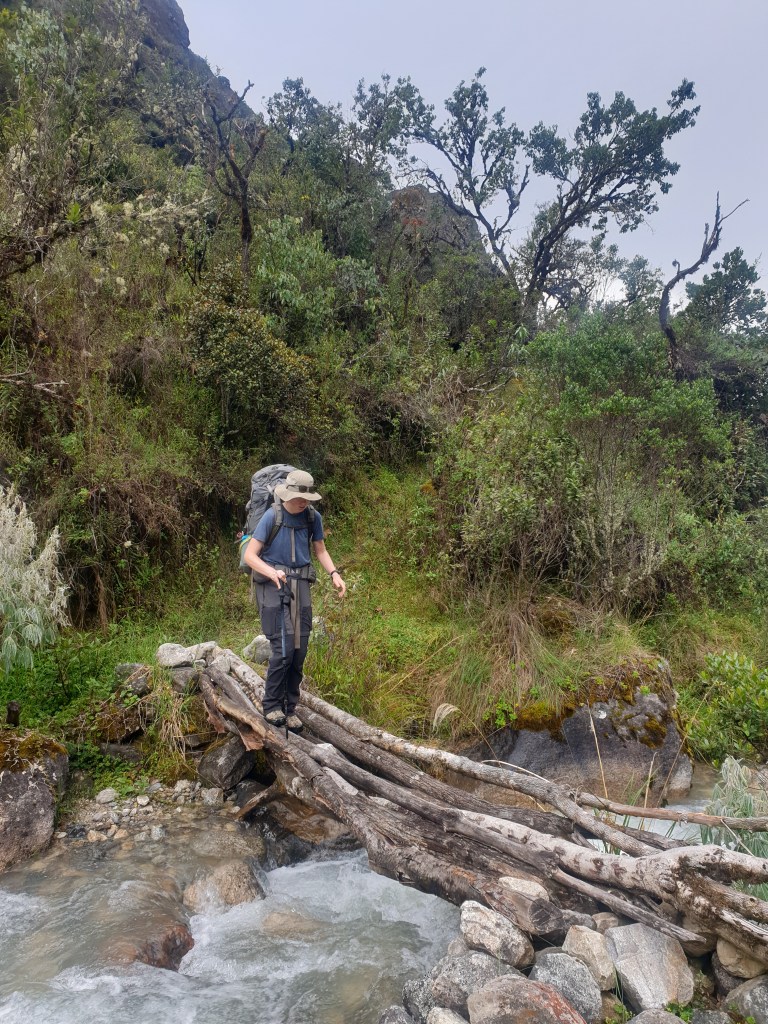
It took some time to find the trail out of the village but were in the helped by our hotel owner.
As we hiked down to the river the weather was nice and sunny and we felt excited for this last section of the trek as it promised some stretches of real original stone Inca trail.
We followed a large shepherds trail through some pristine pastures up the side valley and after a few hours we arrived at a small locked hut. We presumed this to be the regular camping spot and pitched our tent. We were pretty happy to do so as the weather started to turn bad and rain was clearly in the air.
Day 7
In the morning it was dry again, but the clouds had not moved. As we hiked further up valley it was clear that we were approaching the end of the valley. The forest made way for large alpine meadows that terminated at the steep rock face. At first it was hard to imagine a pass going over these steep faces but as we cam closer the weak spot where the pass was located started to be visible.
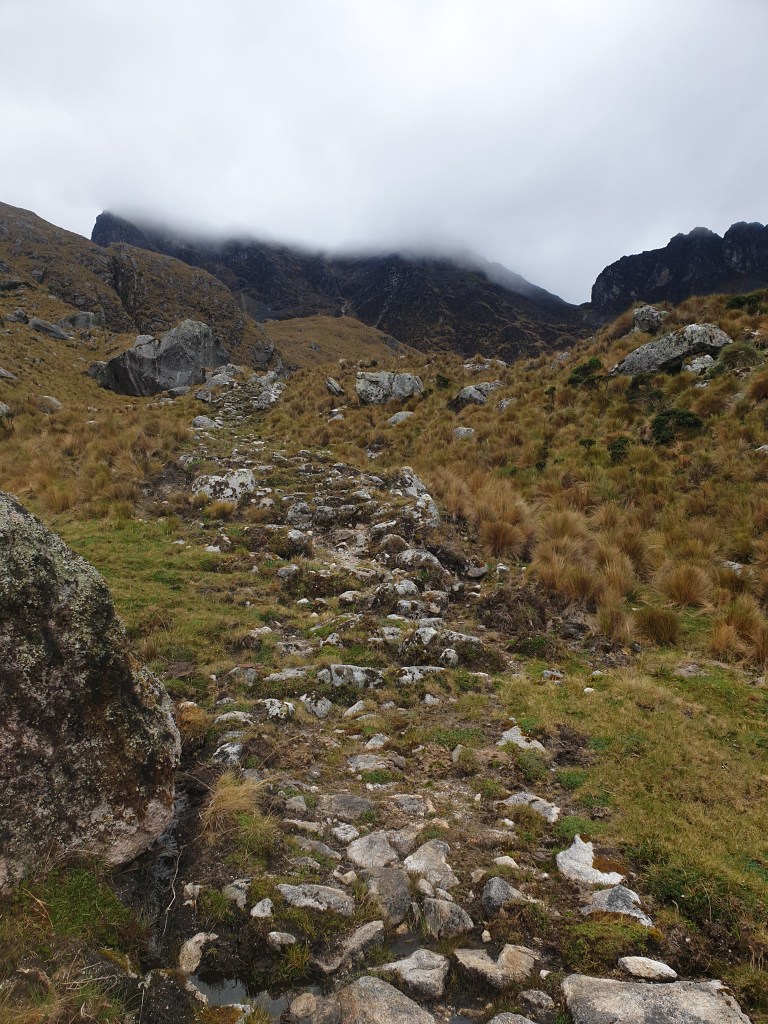
It was also here that the sandy shepherd trail made way for the old Inca trail. It was amazing how nice the old Inca route still was after all these centuries. The trail leveled out much of the smaller obstacles and felt like a highway at 5000m altitude. The last stretch to the pass was quite steep and took a lot of time. Time in which the clouds started to come further and further down. Once on the pass the rain really started to fall, the wind made the pass very unpleasant and we descended directly along the northern side in the thick mist. At first we had to climb down steeply, but quickly we found ourselves on wide alpine meadows making the going very swiftly. It was a very long but easy march down the Huancacalle the small town near Vitcos where we could stay overnight in the Sixpack Manco hotel.
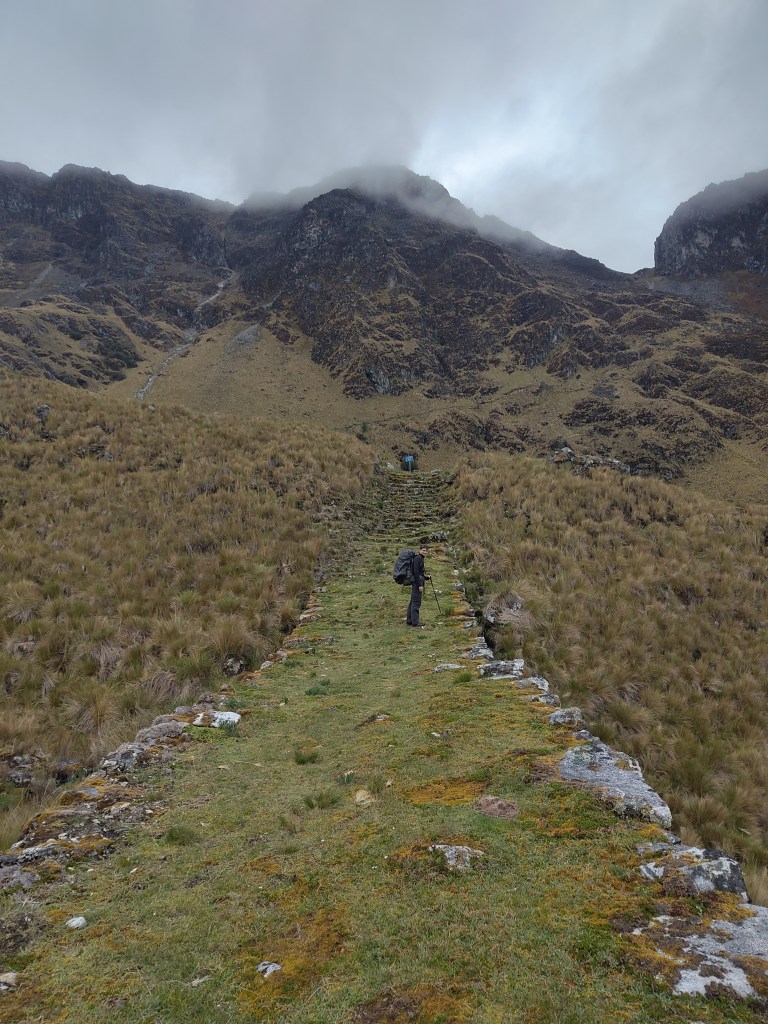
 Last frontiers on foot